OpCoBe

Operant Conditioning and Behavioural Test Equipment

Empower your research with world class equipment

from the world’s top manufacturers


Optical Bioimaging

Biolight Biotechnology

Biolight Biotechnology, commonly branded BLT-Imaging, is a Chinese biotechnology company that develops optical imaging systems used in life science research. The company focuses on instruments capable of detecting extremely weak light signals from biological samples, such as those produced by fluorescence or bioluminescence. Using highly sensitive detectors and specialised imaging software, BLT systems capture very low levels of emitted photons, enabling researchers to visualise and quantify biological activity that would otherwise be difficult to observe.

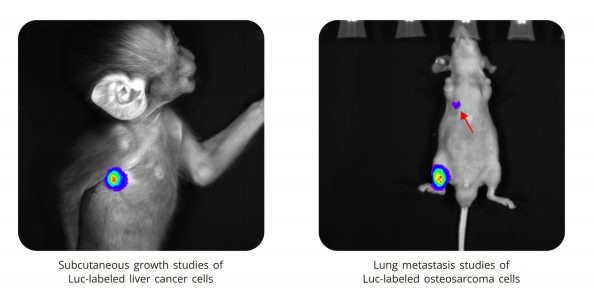
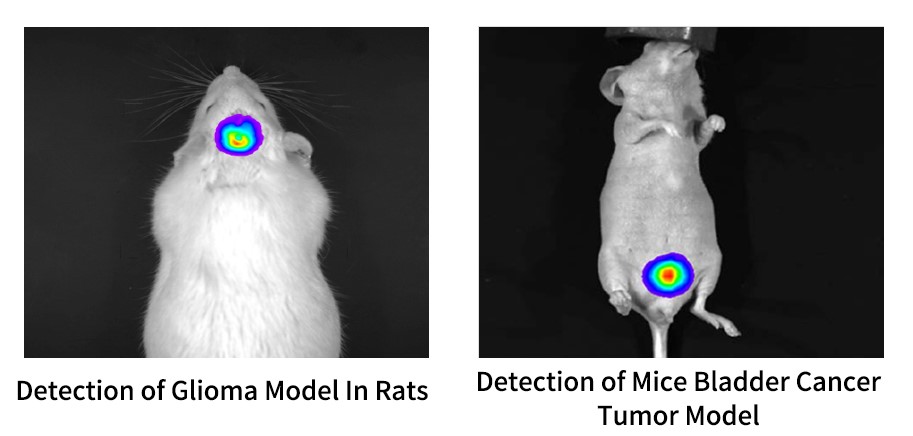
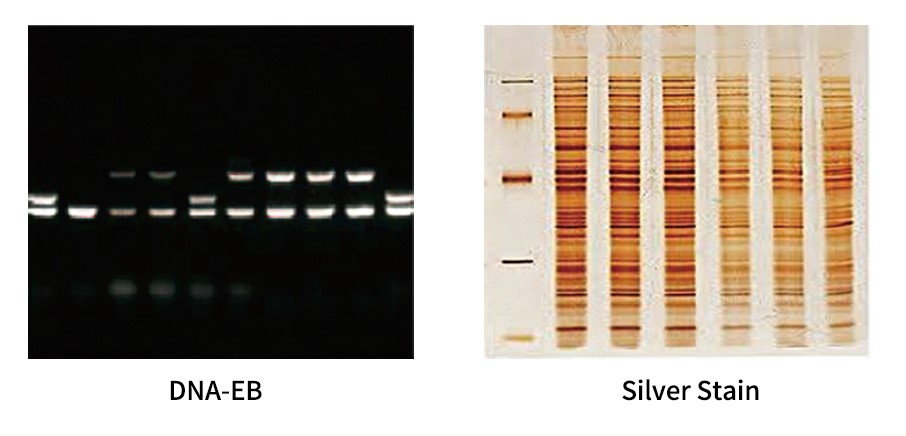
BLT-Imaging’s technology is used across several types of laboratory imaging platforms, including in-vivo imaging systems, gel imaging systems, and cell imaging systems. In-vivo systems allow researchers to monitor biological processes inside living organisms, such as tracking tumour growth or gene expression in animal models. Gel imaging systems are used in molecular biology workflows to visualise DNA, RNA, or proteins separated by electrophoresis, often through fluorescent or chemiluminescent detection. Cell imaging systems enable scientists to study cellular behaviour, protein expression, and other processes in cultured cells.

Together, these platforms support a wide range of applications in molecular biology, biomedical research, drug discovery, and cancer research, providing tools that allow scientists to detect and analyse extremely weak optical signals generated during biological experiments.

3D In Vivo Imaging

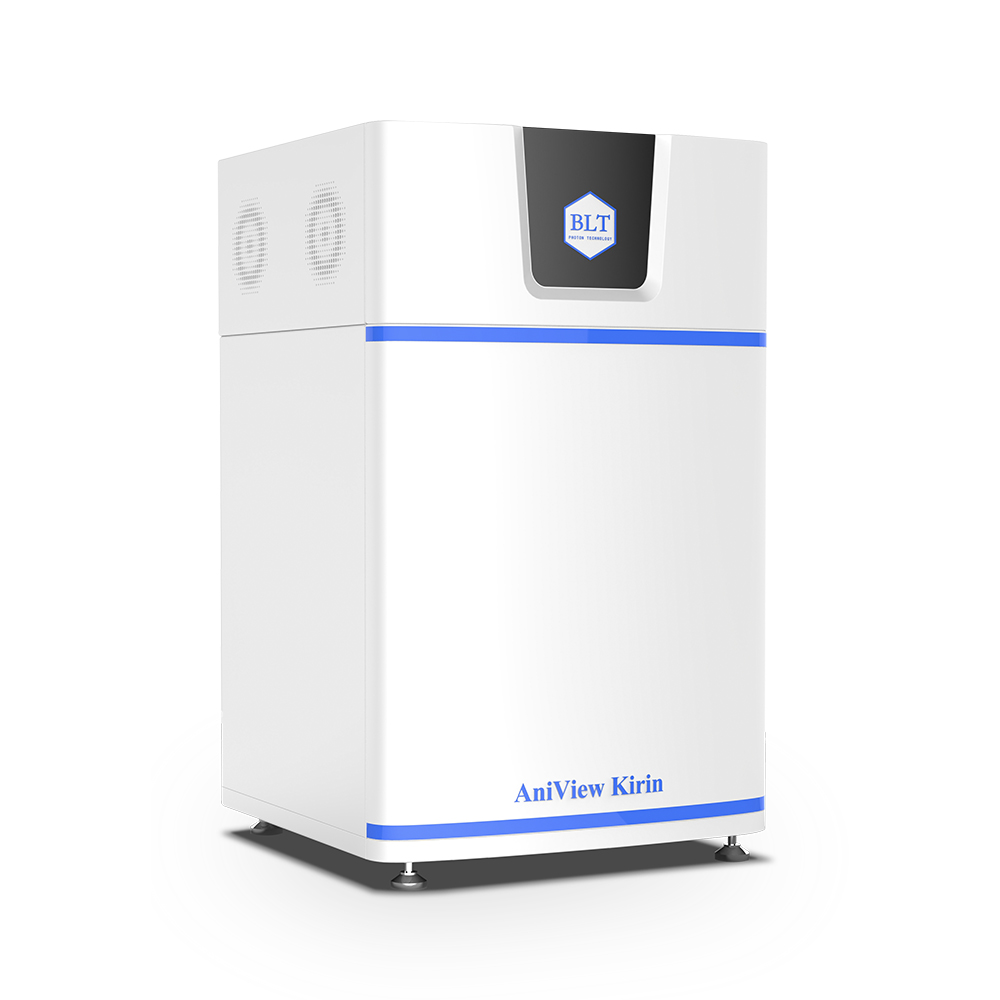
AniView Kirin In Vivo 3D Imaging System

AniView Kirin Small Animal in vivo 3D Imaging System integrates 2D imaging with 3D imaging, covering a series of imaging functions such as bioluminescence imaging, fluorescence imaging, Cherenkov imaging, 3D bioluminescence/fluorescence tomography and 3D multi-modality image fusion (PET/CT/MRI). It adopts an internationally advanced back-illuminated ultra-low temperature CCD camera with ultra-high quantum efficiency and ultra-low dark current; coupled with an F0.95 ultra-large aperture prime lens and high-performance filters, it provides unparalleled detection sensitivity.
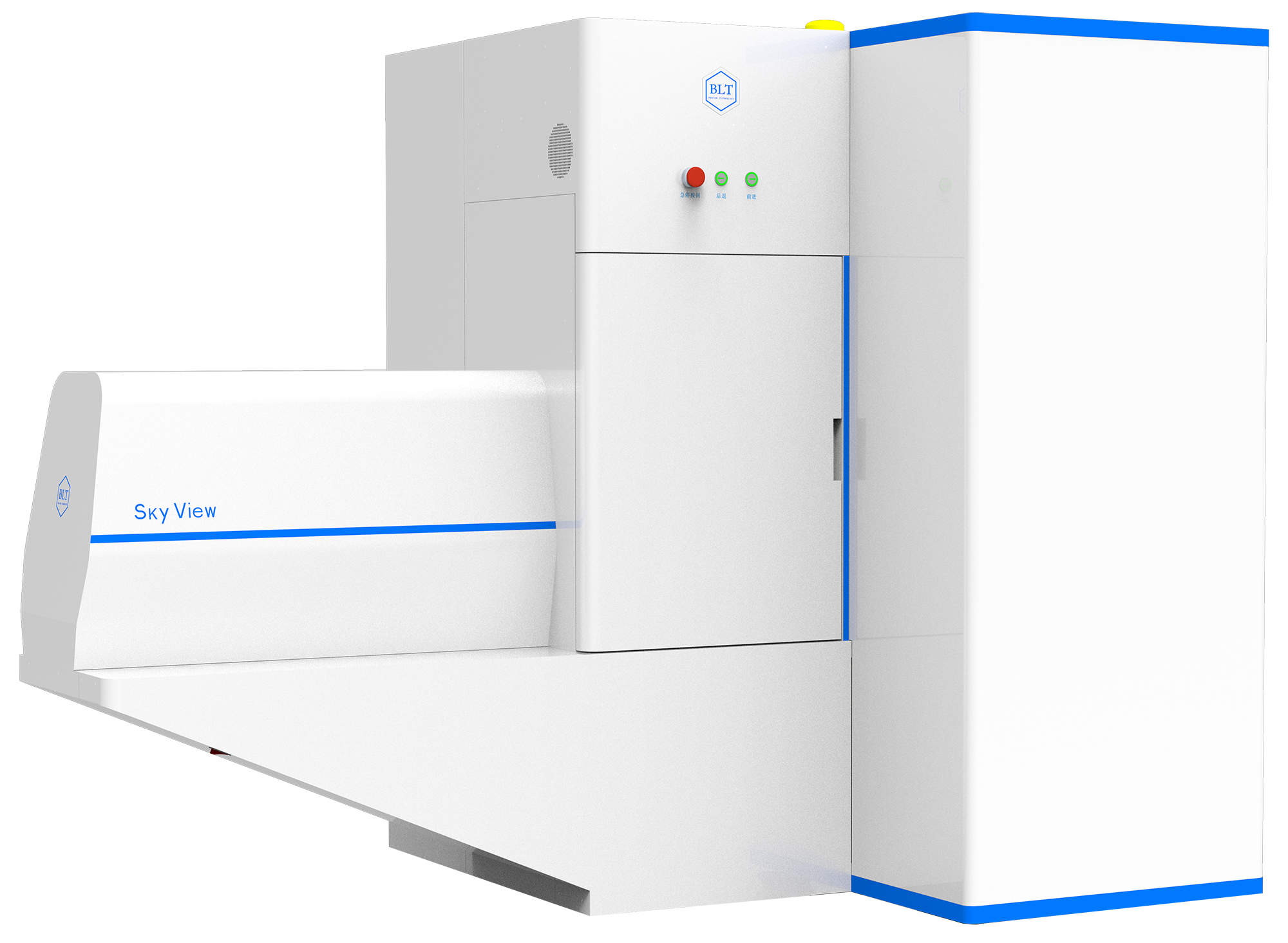
Skyview Animal In-vivo Optical Micro-CT

Skyview is a multimodal imaging system designed for in-vivo animal imaging, integrating Micro-CT imaging with optical imaging. It allows for both combined imaging of Micro-CT and optical imaging results, as well as separate imaging with either Micro-CT or optical imaging. By leveraging the complementary strengths of  Micro-CT and optical imaging, the system achieves a synergistic effect greater than the sum of its parts.

The optical imaging component offers high sensitivity,making it ideal for bioluminescence imaging or visible fluorescence imaging. The Micro-CT component provides fast imaging speed, high spatial resolution, and low radiation dosage, enabling visualization of the internal anatomical structure . Using advanced 3D imaging algorithms, the system overlays and fuses optical images with CT images, providing precise localization and depth information of optical signals within the body. This enables accurate 3D spatial localization of tumors or other lesions, offering unparalleled insights into biological processes.

2D In Vivo Imaging

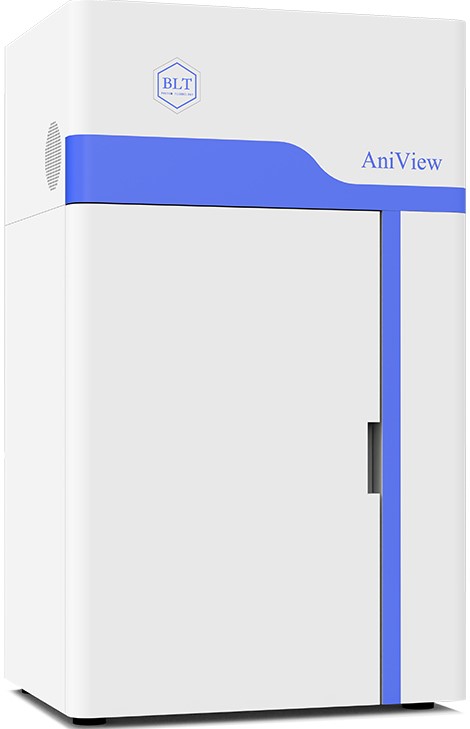
The AniView Pro Series are advanced small animal optical imaging systems designed for preclinical research applications including bioluminescence imaging (BLI), fluorescence imaging (FLI), and multi spectral imaging. These systems enable non invasive monitoring of biological processes in living animals, supporting research in oncology, immunology, infectious diseases, and drug development.

The systems feature a light tight imaging chamber, high-sensitivity cooled CCD cameras, and a modular design that supports optional upgrades such as gas anesthesia systems, spectral imaging modules, and multimodal imaging capabilities.

Two models are available in the series, each optimized for different imaging priorities.
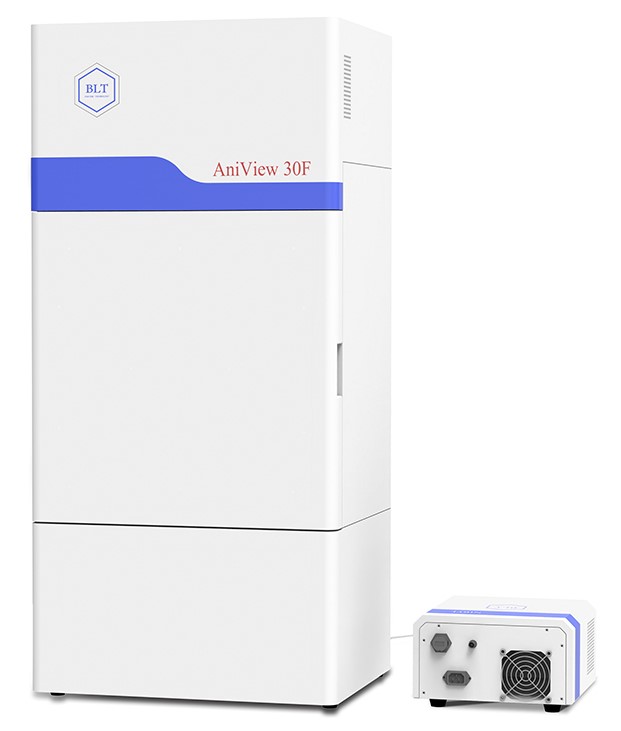
The AniView 30F NIR II In Vivo Imaging System is a high sensitivity real time imaging platform designed for preclinical research in the 900 to 1700 nm near infrared II range. It uses a cooled InGaAs camera for improved signal detection and supports high speed imaging of up to 600 fps. The system also includes a motorized temperature controlled stage and multi laser connection capability for flexible imaging setups.

It is designed for advanced NIR II in vivo imaging applications such as tumour tracking, blood flow imaging, drug studies, stem cell tracing, and surgical guidance. The system can also be used for contactless monitoring of heart rate and breathing, making it a versatile tool for oncology, regenerative medicine, and molecular imaging research.
AniView Phoenix Full Spectrum Animal In Vivo Imaging System differs from the other AniView models by combining a scientific grade cooled CCD camera with a low temperature InGaAs camera to deliver full spectrum imaging from 400 to 1700 nm. Unlike the AniView 30F, which is focused on NIR II only, and the AniView100Pro and AniView600Pro, which are based on cooled CCD imaging, the Phoenix covers the visible, NIR I, and NIR II ranges in a single platform.

It is also positioned as the more versatile multi range system in the line, supporting multiple excitation sources, an InGaAs camera capable of up to 600 fps, and a moving stage for simultaneous visible imaging of 5 mice or 3 mice in NIR II. This makes it well suited for labs that need one system for both conventional optical imaging and advanced NIR II applications such as vascular imaging, blood flow monitoring, tumour studies, and surgical guidance.

Optical and X/DXA Multimodality
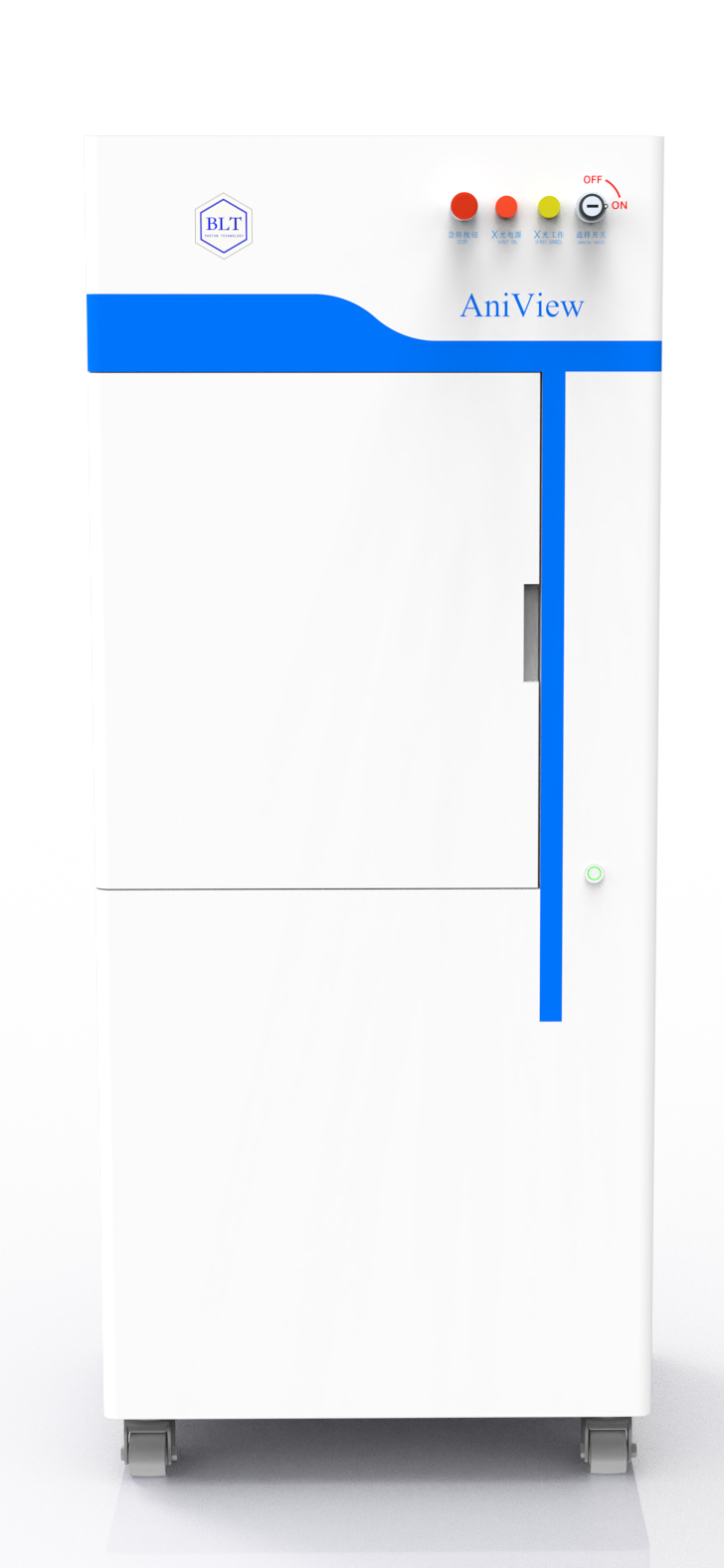
The AniView DXA Animal In Vivo Multimodality Imaging System combines optical imaging with dual energy X ray imaging in one platform. Its dual energy X ray capability uses low and high energy exposures to separate soft tissue and bone information, and can also support bone density and body composition analysis.

On the optical side, it uses a deep cooled CCD camera, a large aperture F0.95 lens, and a high transmission filter to improve sensitivity for low signal imaging. It also includes a higher capacity filter wheel for stronger fluorescence imaging and spectral separation, while the X ray system is designed so the X ray and optical fields of view align, allowing image overlay between the two modalities.
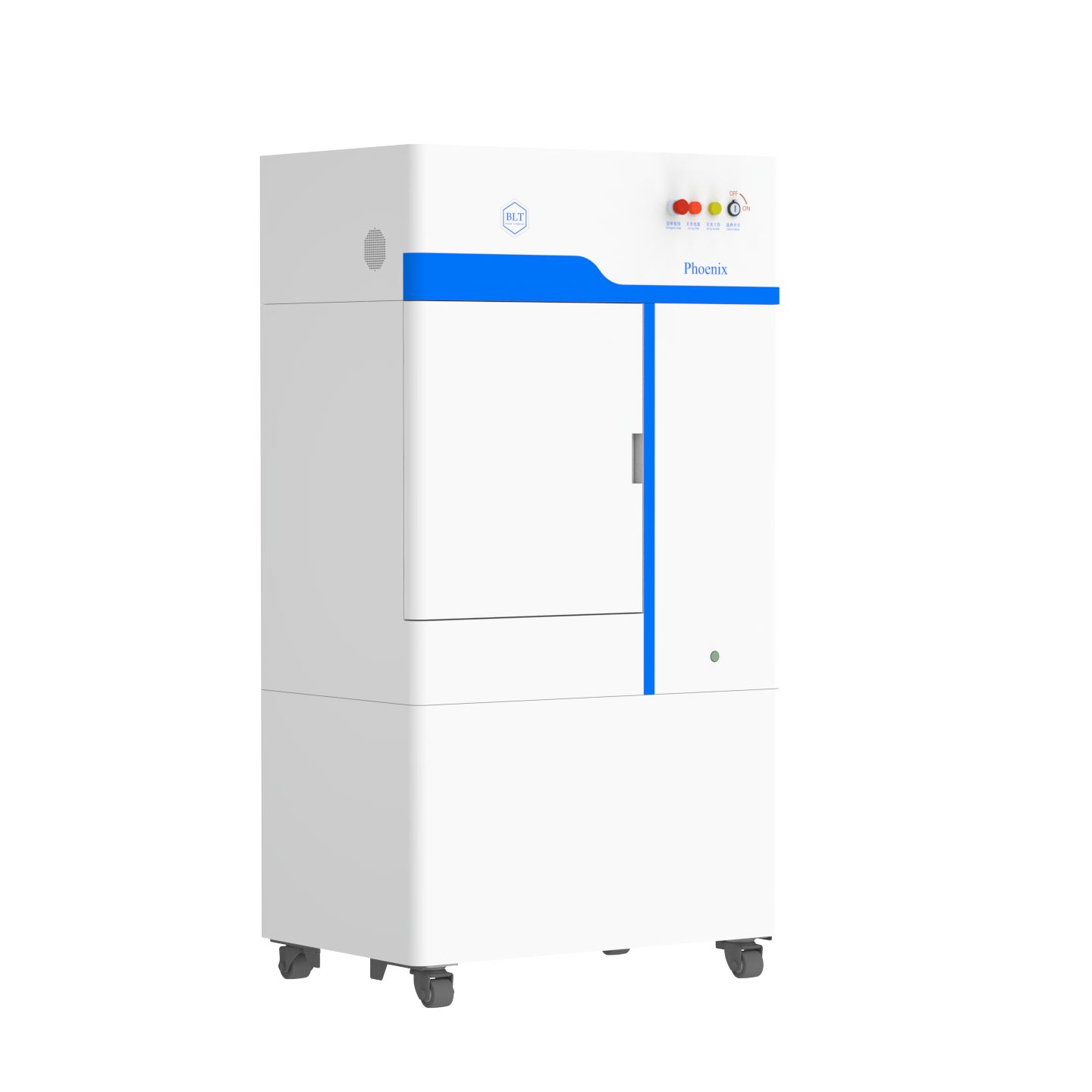
The AniView Phoenix DXA Multimodality In Vivo Imaging System combines full spectrum optical imaging with dual energy X ray imaging in one platform. Its dual camera design pairs a scientific grade cooled CCD camera for visible imaging with a low temperature InGaAs camera for NIR II imaging, giving it wavelength coverage from 400 to 1700 nm. It also supports both LED and laser excitation, allowing visible, NIR I, and NIR II fluorescence imaging in a single system.

The system also includes spectral unmixing with up to 20 excitation light sources and 18 emission filters, helping separate multiple fluorescent signals and reduce autofluorescence background. Its dual energy X ray module can distinguish soft tissue and bone, while also supporting bone density and body composition analysis. Because the X ray and optical images can be merged, it helps locate optical signals more precisely without dissection.

Gel & Blot Imaging

The GelView 5000 Pro II Automatic Gel Imaging System is a gel and blot imaging system designed for imaging UV, blue light, and visible light excited samples. It can be used with common nucleic acid stains such as EB, GoldView, Gene Finder, and SYBR Green, as well as visible light applications including silver stained gels, colonies, bacteriophages, microplates, spot hybridization, and films.

Key features include a 5 megapixel digital camera, an F1.2 8 to 48 mm zoom lens with auto focus, a laser positioning system for easier sample placement, and a protective gel cutting guard plate for user safety. It also includes analysis software for image processing, grayscale analysis, colony counting, and well plate analysis, making it a general purpose system for routine gel documentation and analysis.

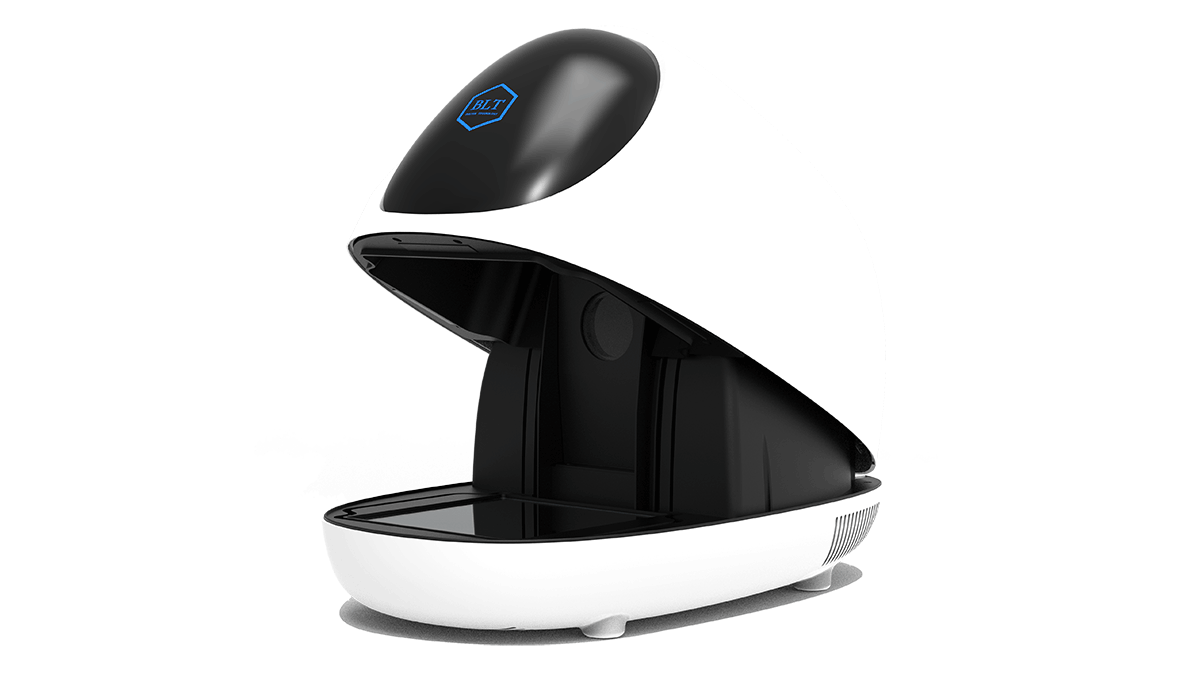
The GelView 6000 Pro II Multifunctional Image Station is a broader, more flexible imaging platform than the GelView 5000 Pro II. In addition to routine gel imaging, it is designed for chemiluminescence imaging, multicolour fluorescence imaging, DNA and RNA gel imaging, protein electrophoresis imaging, and blot applications such as Western, Northern, Southern, and Dot or Slot blotting, as well as colony counting, microplate work, and autoradiography film analysis. It uses a high resolution, high sensitivity CCD camera and is controlled by GV 6000 Pro II image capture and BioAnaly analysis software.

Compared with the GelView 5000 Pro II, which is mainly presented as an automatic gel imaging system for UV, blue light, and visible light excited samples with a 5 megapixel digital camera and 8 to 48 mm autofocus zoom lens, the 6000 Pro II is positioned as a multifunctional modular system. Its main difference is that it adds support for chemiluminescence, multicolour fluorescence, and optional in vivo imaging modules, whereas the 5000 Pro II is focused more on standard gel documentation and routine image analysis. Both systems include a laser positioning system, a gel cutting guard plate, and analysis software for image processing, grayscale analysis, colony counting, and well plate analysis.

The GelView 4000 Lite SmartVision Imaging System is a compact, lightweight gel imaging system designed mainly for nucleic acid gel imaging and other agarose gel samples. It stands out for its smart operation features, including gesture control, voice control, and an intelligent status light, making it a more user friendly and automated option for routine lab imaging.

It uses LED excitation for longer service life and better illumination uniformity, and includes a 6.3 megapixel camera for higher image detail. BLT also emphasizes its very small footprint, positioning it as a space saving bench top system for basic gel documentation rather than a broader multifunction imaging platform.

The GelView 9000 Lite SmartVision Chemiluminescence Imaging System is a compact, lightweight system designed for chemiluminescence imaging, especially for Western blot and related applications. Like the GelView 4000 Lite, it includes gesture control, voice control, an intelligent status light, a small footprint, and a 6.3 megapixel camera for detailed imaging.

The main difference is in the imaging application and sensitivity. The GelView 4000 Lite is aimed at nucleic acid and agarose gel imaging using LED excitation, while the GelView 9000 Lite is built for detecting weak chemiluminescent signals and BLT says its signal performance is twice that of CCD under the same binning and exposure conditions. In short, the 4000 Lite is the basic gel documentation model, while the 9000 Lite is the more sensitive option for blot based chemiluminescence work.

Plant In Vivo Imaging
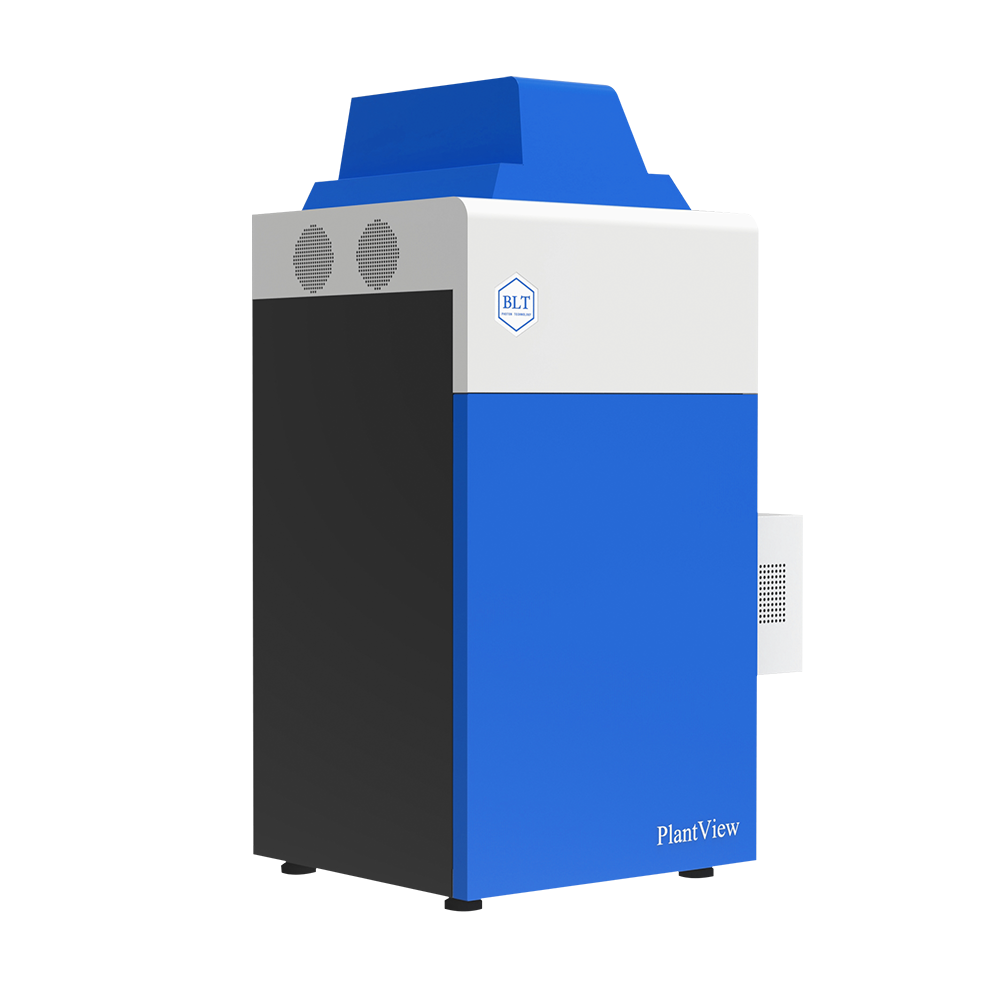
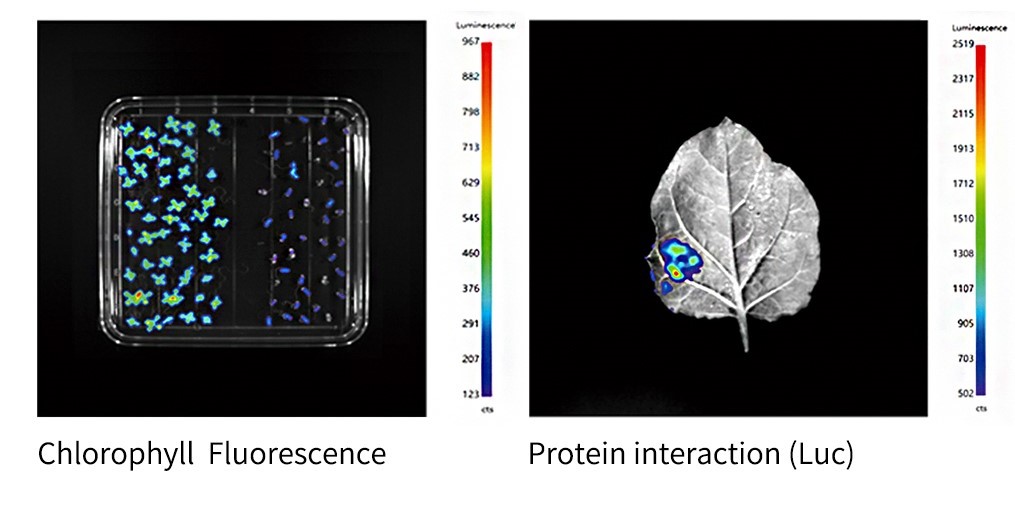
The PlantView100 In Vivo Plant Imaging System is a high sensitivity imaging platform designed for plant research, using a back illuminated ultra low temperature CCD camera and a dark cabinet to improve detection of weak fluorescence and luminescence signals. It supports both top and lateral imaging through a dual camera design, allowing plants to be imaged from different angles under more natural growth conditions.

Key features include a plant illumination simulation module for photoperiod and growth rhythm studies, a rotating table for long term multi site imaging, and a large field of view suitable for whole plants as well as seedlings, seeds, fruits, and culture dishes. It also uses narrow bandwidth LED light sources and supports common fluorescence channels including GFP, RFP, Cy5, Cy5.5, and ICG.

The PlantView 600 In Vivo Plant Imaging System is a high sensitivity plant imaging platform designed for fluorescence and luminescence studies, with top and lateral imaging, a dark cabinet, plant illumination simulation software, and a rotating table for long term multi site imaging under natural growth conditions. It also provides a large field of view for imaging whole plants as well as seedlings, seeds, fruits, and culture dishes.

Compared with the PlantView100, the main difference is that the PlantView 600 is specified with a deep cooled research grade CCD camera with 6 million effective pixels and higher resolution, whereas the PlantView100 is described more around its ultra low temperature CCD cooling down to -90°C and maximum weak signal capture. In practice, that means the 600 is positioned more toward higher resolution imaging, while the 100 is positioned more toward ultra high sensitivity for very weak fluorescence or luminescence signals. Otherwise, the two systems share most of the same platform features.
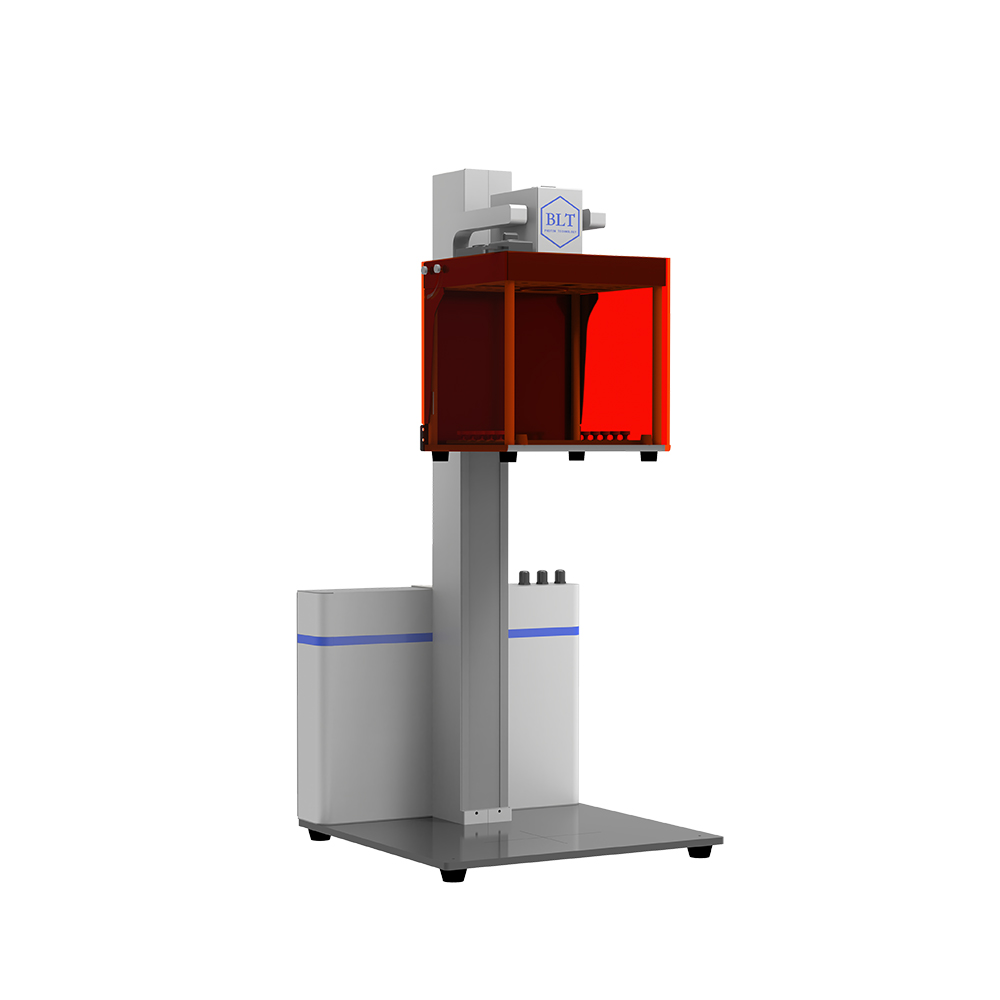
The PlantView 230F Chlorophyll Fluorescence In Vivo Imaging System is a plant imaging platform that uses pulse amplitude modulation chlorophyll fluorescence technology to measure whole leaf chlorophyll fluorescence imaging. It is designed for applications such as photosynthetic physiology, plant pathology, breeding, mutant screening, and stress physiology, and can also image whole plants, leaves, fruits, algae, and GFP labelled samples.

Key features include a high sensitivity camera for capturing transient chlorophyll fluorescence signals, a high power pulsed LED light source for uniform excitation, and NIR and IR light sources for measuring leaf absorptance and calculating photosystem II electron transfer rates. It can measure a wide range of chlorophyll fluorescence parameters such as Fo, Fm, Fv/Fm, ΦPSII, qN, qP, and ETR, and it includes a GLP protocol for recording and tracing experimental data.

ThinkerTech

ThinkerTech Summary

Fibre Optic Systems

Monochrome single-channel fiber optic recording system.

The Monochrome Single Channel Fiber Photometry Recording System provides stable, real time detection of neural activity in targeted brain regions of laboratory animals. Using LED based excitation and optical fiber signal transmission, the system captures fluorescence changes from calcium sensitive probes and converts them into recordable signals for analysis. Compared with earlier designs, the LED upgrade delivers improved stability and longer operating life, making it a reliable solution for neuroscience research applications.

Two-color single-channel fiber optic recording system.

The Dual Color Single Channel Fiber Photometry Recording System enables simultaneous real time recording of green calcium signals and a 405/410 nm reference signal through the same optical fiber. By adding a reference fluorescence channel, the system helps remove motion related noise, including rotary joint noise, and supports validation of calcium signal data. It can also detect fluorescence changes from genetically encoded acetylcholine and dopamine probes, making it suitable for dynamic monitoring of neurotransmitter activity in neuroscience research.

Tricolor single-channel fiber optic recording system.

The Three Color Single Channel Fiber Photometry Recording System enables simultaneous delivery of violet, blue, and yellow excitation light through a single multimode optical fiber to a targeted brain region. The system supports detection of both green fluorescent proteins such as GCaMP6 and red fluorescent proteins such as mCherry, with emitted signals collected through the same fiber and converted into electrical signals by two sensitive detectors. This allows researchers to capture different types of neural activity information from the same brain area in real time, making it well suited for advanced neuroscience studies.

Monochromatic multi channel optical fiber recording system.

The multi channel fiber photometry system uses CMOS array imaging to measure fluorescence from each fiber in a multimode bundle in real time, enabling simultaneous multi channel recording. It supports optogenetic identification of specific cell types, records neural activity during natural movement, and allows observation of neural projection activity during complex animal behavior. The system includes a complete optical recording setup with hardware and analysis software, and is designed to be simple, stable, and easy to use.

Two color multichannel optical fiber photometry system.

The dual color multichannel fiber photometry system adds a 405 nm control channel to reduce noise and improve signal reliability. It couples two excitation wavelengths into the same optical fiber, delivers them to targeted brain regions, and captures the returning calcium signal fluorescence through the same fibers. Using time division multiplexing and CMOS array imaging, it measures fluorescence from each fiber in real time, enabling simultaneous multi channel recording.

Three color multichannel optical fiber photometry system.

This system uses 405, 470, and 580 nm wavelengths to support more reliable multi signal recording in vivo. The 405 nm channel acts as a reference to reduce motion noise, while the 470 and 580 nm channels excite different fluorescent proteins or probes to measure changes in ions such as calcium or neurotransmitters such as dopamine and epinephrine. It can be used to track signalling changes in different neuronal populations during the same behavioural task and to study neuronal connections or relationships between signalling pathways.

Optogenetics

Wireless Optical Genetics – Magnetic Field Edition.

This wireless optogenetic system is a fully implantable, ultra thin and lightweight probe for in vivo stimulation in freely moving animals. It uses a PDC control box for wireless one to many control, allowing batch optogenetic experiments in enclosed environments without batteries or tethering.

The system offers miniature LED probes with 470, 530, 590, and 650 nm wavelength options, optional probe lengths of 2 to 6 mm, and a very small, flexible design that is biologically compatible and stable for more than two months. It is suited for regulation of the brain, spine, and peripheral nervous system, with key advantages including being lightweight, implantable, battery free, and easy to fix in place.

It is also used by a range of major universities, hospitals, and research institutes in China.

Wireless Photogenetics – Battery version.

Wireless photogenetics with a battery version enables researchers to remotely control neuron activity in living animals using optogenetics and wireless communication. Compared with battery free systems, it has lower demands on the surrounding electromagnetic environment and can be used more easily in closed spaces and a wider range of behavioural setups.

The implant is lightweight and uses a highly flexible micro LED light source, making full implantation into targeted brain regions easier during surgery. It also supports one to many controller operation, allowing batch in vivo stimulation and inhibition experiments.

Intelligent / classic optical genetic system.

This optogenetic stimulation system uses laser light delivered through optical fibers to activate or inhibit mouse nerve cells, offering a more precise alternative to traditional electrical stimulation for studying cell physiology, behaviour, drug effects, and behavioural responses.

It includes blue or yellow lasers with other wavelength options, optical fibers in 100 or 200 μm diameters, a rotary joint, and optional fiber optic conduit or ceramic ferrule. Key features include multiple fiber size options, easy implantation, adjustable stimulation range and frequency, a high definition touch screen, support for external trigger signals in closed loop experiments, and signal output for synchronization with other devices.

Calcium Imaging

Miniscope imaging system.

This system is used for in vivo calcium imaging in freely moving animals to study how neuronal circuits in different brain regions relate to behaviour. It enables real time observation of brain activation, neural projection activity during complex behaviours, calcium activity in deep brain and cortex, and changes in fluorescent cell migration in deep brain regions.

The platform includes components such as a miniature microscope, fixation plate, GRIN lens, CMOS sensor, image acquisition card, software, and steering gear. It records calcium signals from groups of neurons at single cell resolution, remains small and lightweight so it does not interfere with animal movement, and supports deep brain imaging through implanted GRIN lenses.

Its workflow involves expressing calcium indicators such as GCaMP6 through viral injection, implanting a GRIN lens, and then capturing fluorescence changes caused by increases in intracellular calcium during neural activity. These signals are converted into images by CMOS and analysed with software to link neural activity with behaviour.

Miniscope imaging system & automatic focus.

This system is an autofocus ultra miniature wide field fluorescence microscope designed for in vivo imaging of neural activity in freely moving animals. It uses miniaturised optics, imaging elements, and a micro mirror structure to capture monochromatic or multi color fluorescence signals, while accurately locating the target area and improving image quality. Its key features include a new microscope design with a larger field of view, upgraded acquisition software, optional behavioural video synchronisation, and user controlled autofocus through a slide bar.

Compared with the standard system, this version places more emphasis on imaging quality and ease of focusing rather than on the basic calcium imaging workflow itself. The previous system focused on recording calcium signals at single cell resolution using components such as a GRIN lens and CMOS sensor, with applications including deep brain imaging, cortical imaging, and neural projection studies. This autofocus version is essentially an enhanced imaging platform, adding a larger field of view, upgraded software, and autofocus capability to make target positioning easier and images clearer during experiments.

Two-color miniscope imaging system.

The dual color miniscope imaging system uses 470 nm and 561 nm excitation to capture both green and red fluorescence signals from the same site, enabling richer and more reliable in vivo imaging in freely moving animals.

By using a red reference channel, such as mCherry, the system can provide control data to reduce motion related artefacts, including rotational noise, and improve confidence in calcium signal accuracy. The reference channel can also be paired with a red calcium sensitive fluorescent probe, allowing simultaneous recording of two neuronal populations within the same brain region during the same behavioural paradigm.

This gives researchers a powerful way to compare how different neuron types respond in real time and to reveal their distinct encoding patterns under identical experimental conditions.

Consumables And Other Equipment

Dynamic blood oxygen fiber detection system.

A system for monitoring deep oxygenation of brain tissue enables continuous monitoring of oxygenation in the deep brain tissue of living animals. Changes in blood oxygen saturation (StO2) are induced and recorded by an integrated micro-LED light source and photo-detector, enabling continuous monitoring with the animal moving freely. This system has important potential for neuroscience research and clinical diagnosis, especially in understanding the coupling between brain metabolism and activity and monitoring diseases associated with brain oxygenation.

Head fixing plate.

Designed for stability, precision, and ease of use, the Head Fixing Plate provides reliable support for animal positioning during demanding neuroscience and physiological experiments. Built to help researchers achieve consistent alignment and repeatable results, it offers a secure platform for procedures that require accurate head restraint without compromising workflow efficiency.

Ecological sunshine lamp.

Eco Sunlight is an indoor sunlight simulation system, which can simulate the lighting scene of sunlight shining into the room through the skylight, with realistic clear blue sky and bright sunlight lighting effect, so it can bring natural sunlight to people anytime and anywhere, improve the quality of indoor space, and bring people a healthy living environment.
Eco Sunlight Light integrates the latest LED packaging technology, optical technology, intelligent control technology. It can simulate the natural scene of sunlight spectrum and sunlight shining into the room through the skylight. Using micro-optical technology, it simulates scattered sky light and direct sunlight from multiple angles. It restores the most natural way of lighting, providing people with a natural and healthy lighting innovative products.

Precision manual four-dimensional micromanipulator.

This micro manipulator is a precision positioning system designed for animal experiments that require highly accurate placement, such as electrophysiology and drug injection. It provides independent four dimensional adjustment, including XYZ movement with 13 mm travel and angle adjustment from 0° to 90°, allowing flexible and stable positioning.

It uses precision linear guides, a fine toothed micrometer head, and spring reset to ensure smooth control, minimal clearance, and high stability. With accuracy down to 5 microns and resolution of 2 microns, it is well suited for delicate experimental work. When paired with a head fixation system, it can also form a complete insulated stereotaxic setup for small animals.

Microlens embedded collimator.

This instrument is a miniscope lens implantation helper designed to improve precision during placement of miniature endoscopes and cameras in brain research. It allows five dimensional adjustment in XYZ and aβ, so the miniscope can be accurately aligned with the upper plane of the endoscope and then lowered together while the target area is monitored in real time.

It supports electric micro manipulation with controllable descent speed and distance, enabling automated implantation of tiny miniscopes. The system can also be upgraded to fully automatic lens embedding, supports a range of microlens gripper sizes, and can be customised for miniature cameras from different manufacturers. Its compact design and universal 8 mm vertical lever make it easy to integrate with locator systems.

Stimulation modulation generator.

This instrument is a compact signal modulation device that uses digital to analogue conversion to generate square wave signals and provide analogue laser modulation across a range of −10 V to 10 V. It is portable, easy to operate through a software interface, and designed for flexible experimental control.

It includes 2 external trigger input channels and 4 signal output channels, supports multiple modulation modes, and allows users to save and reload parameter settings for quick reuse. With high timing precision of 1/10,000 second, it is well suited for laboratory applications that require accurate and repeatable signal control.

Contact Us

Here at OpCoBe we offer the full range of products sold by Biolight Biotechnology and ThinkerTech including products not shown on this page.