
OpCoBe
Operant Conditioning and Behavioural Test Equipment
Empower your research with world class equipment
from the world’s top manufacturers
ThinkerTech
ThinkerTech is an innovative biotechnology company specializing in advanced tools for life science and neuroscience research. Based in Nanjing, the company develops and supplies high quality instruments, reagents, and research solutions that support cutting edge work in areas such as fiber photometry, optogenetics, and animal brain studies.
Serving laboratories, academic institutions, and research organizations, ThinkerTech is focused on helping scientists achieve reliable results with precision engineered products and practical application support. With a strong emphasis on innovation and research performance, ThinkerTech provides the technologies researchers need to accelerate discovery in neuroscience and the life sciences.
Fibre Optic Systems
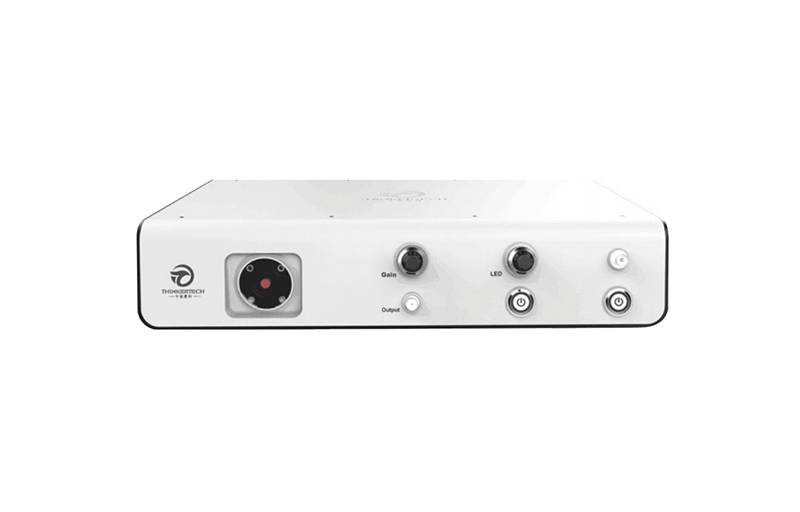
Monochrome single-channel fiber optic recording system.
The Monochrome Single Channel Fiber Photometry Recording System provides stable, real time detection of neural activity in targeted brain regions of laboratory animals. Using LED based excitation and optical fiber signal transmission, the system captures fluorescence changes from calcium sensitive probes and converts them into recordable signals for analysis. Compared with earlier designs, the LED upgrade delivers improved stability and longer operating life, making it a reliable solution for neuroscience research applications.
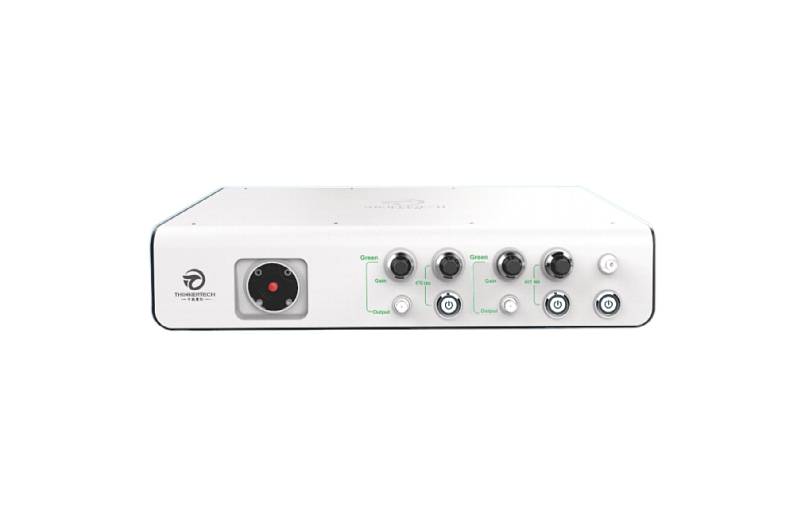
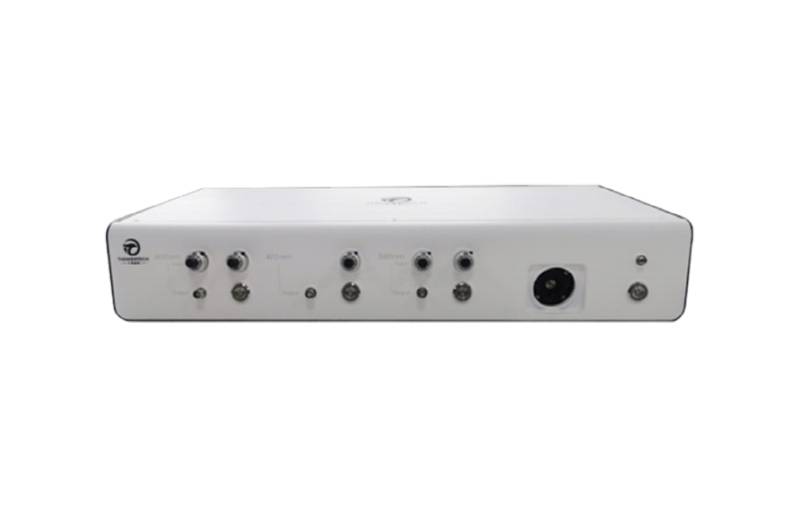
Tricolor single-channel fiber optic recording system.
The Three Color Single Channel Fiber Photometry Recording System enables simultaneous delivery of violet, blue, and yellow excitation light through a single multimode optical fiber to a targeted brain region. The system supports detection of both green fluorescent proteins such as GCaMP6 and red fluorescent proteins such as mCherry, with emitted signals collected through the same fiber and converted into electrical signals by two sensitive detectors. This allows researchers to capture different types of neural activity information from the same brain area in real time, making it well suited for advanced neuroscience studies.
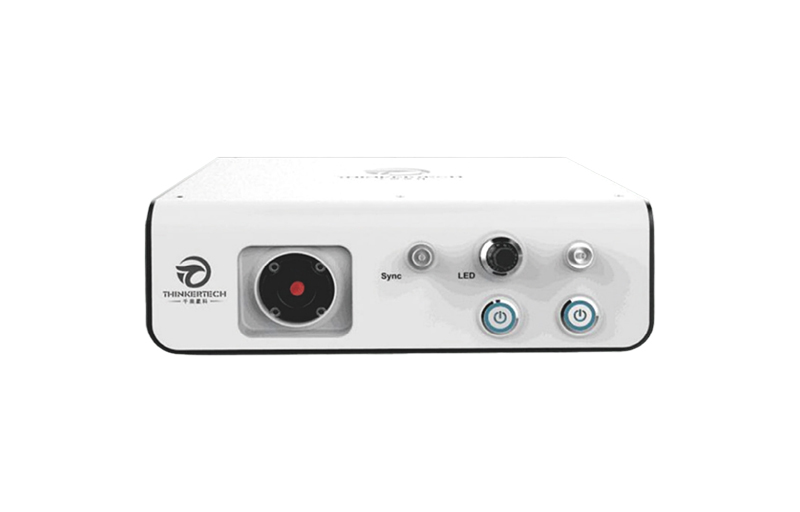
Monochromatic multi channel optical fiber recording system.
The multi channel fiber photometry system uses CMOS array imaging to measure fluorescence from each fiber in a multimode bundle in real time, enabling simultaneous multi channel recording. It supports optogenetic identification of specific cell types, records neural activity during natural movement, and allows observation of neural projection activity during complex animal behavior. The system includes a complete optical recording setup with hardware and analysis software, and is designed to be simple, stable, and easy to use.
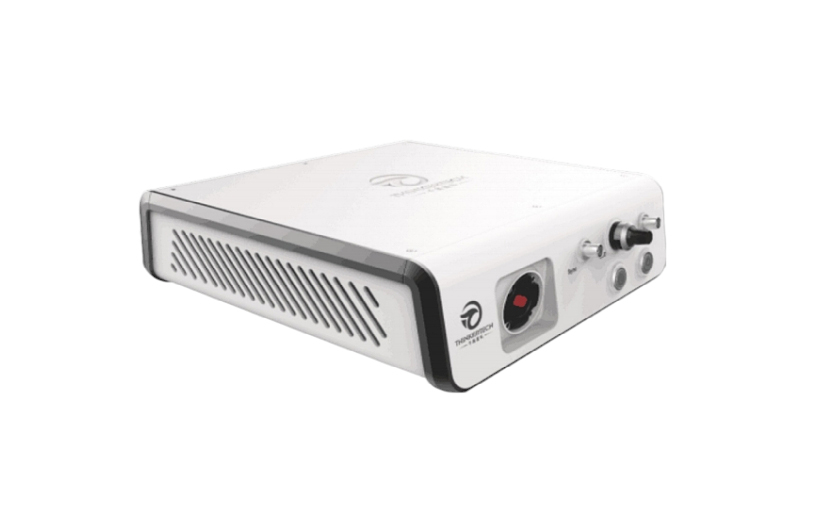
Two color multichannel optical fiber photometry system.
The dual color multichannel fiber photometry system adds a 405 nm control channel to reduce noise and improve signal reliability. It couples two excitation wavelengths into the same optical fiber, delivers them to targeted brain regions, and captures the returning calcium signal fluorescence through the same fibers. Using time division multiplexing and CMOS array imaging, it measures fluorescence from each fiber in real time, enabling simultaneous multi channel recording.
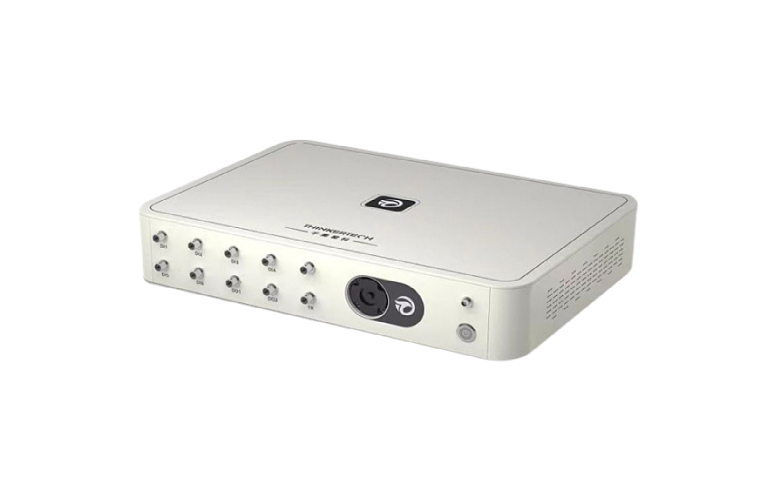
Three color multichannel optical fiber photometry system.
This system uses 405, 470, and 580 nm wavelengths to support more reliable multi signal recording in vivo. The 405 nm channel acts as a reference to reduce motion noise, while the 470 and 580 nm channels excite different fluorescent proteins or probes to measure changes in ions such as calcium or neurotransmitters such as dopamine and epinephrine. It can be used to track signalling changes in different neuronal populations during the same behavioural task and to study neuronal connections or relationships between signalling pathways.
Optogenetics
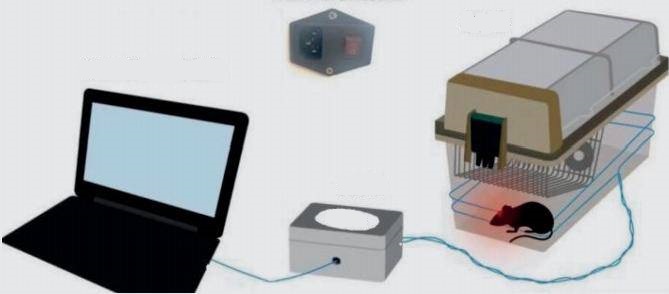
Wireless Optical Genetics – Magnetic Field Edition.
This wireless optogenetic system is a fully implantable, ultra thin and lightweight probe for in vivo stimulation in freely moving animals. It uses a PDC control box for wireless one to many control, allowing batch optogenetic experiments in enclosed environments without batteries or tethering.
The system offers miniature LED probes with 470, 530, 590, and 650 nm wavelength options, optional probe lengths of 2 to 6 mm, and a very small, flexible design that is biologically compatible and stable for more than two months. It is suited for regulation of the brain, spine, and peripheral nervous system, with key advantages including being lightweight, implantable, battery free, and easy to fix in place.
It is also used by a range of major universities, hospitals, and research institutes in China.
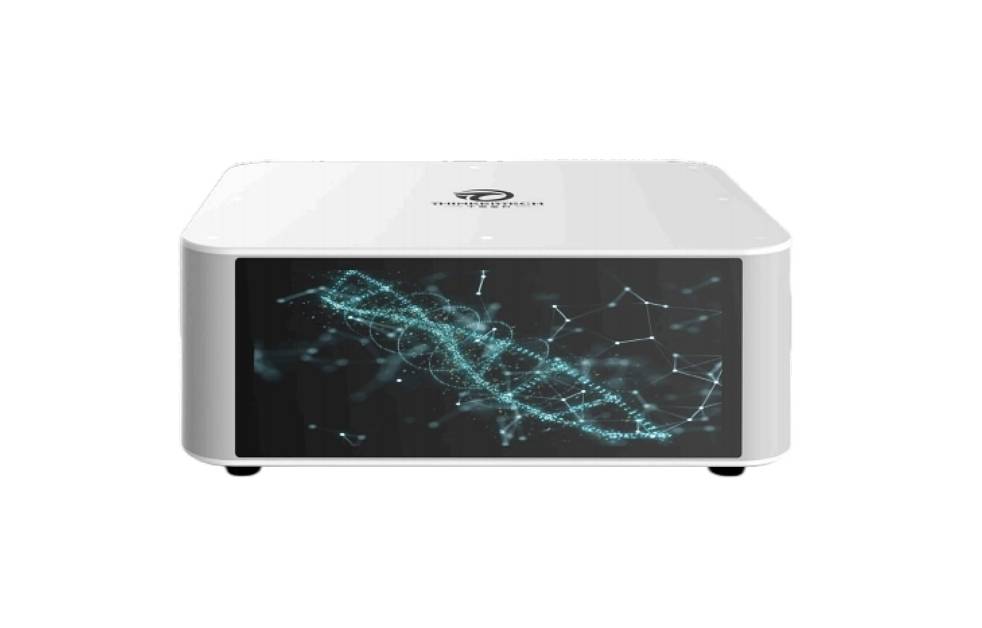
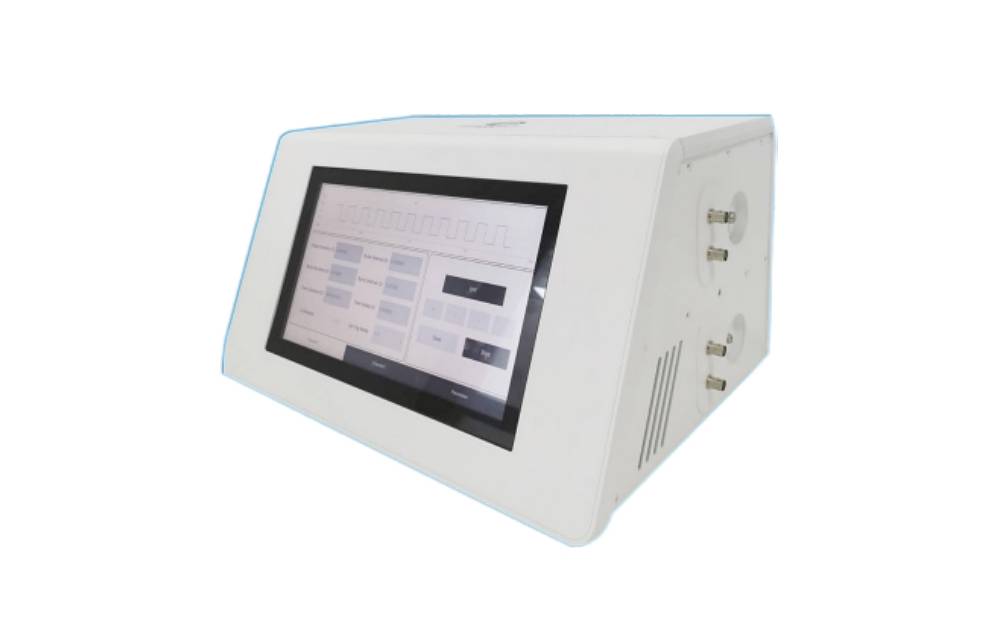
Intelligent / classic optical genetic system.
This optogenetic stimulation system uses laser light delivered through optical fibers to activate or inhibit mouse nerve cells, offering a more precise alternative to traditional electrical stimulation for studying cell physiology, behaviour, drug effects, and behavioural responses.
It includes blue or yellow lasers with other wavelength options, optical fibers in 100 or 200 μm diameters, a rotary joint, and optional fiber optic conduit or ceramic ferrule. Key features include multiple fiber size options, easy implantation, adjustable stimulation range and frequency, a high definition touch screen, support for external trigger signals in closed loop experiments, and signal output for synchronization with other devices.
Calcium Imaging
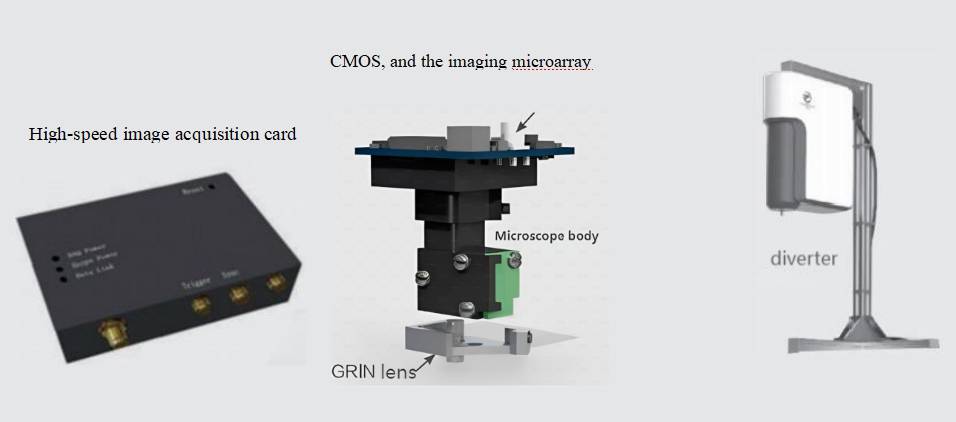
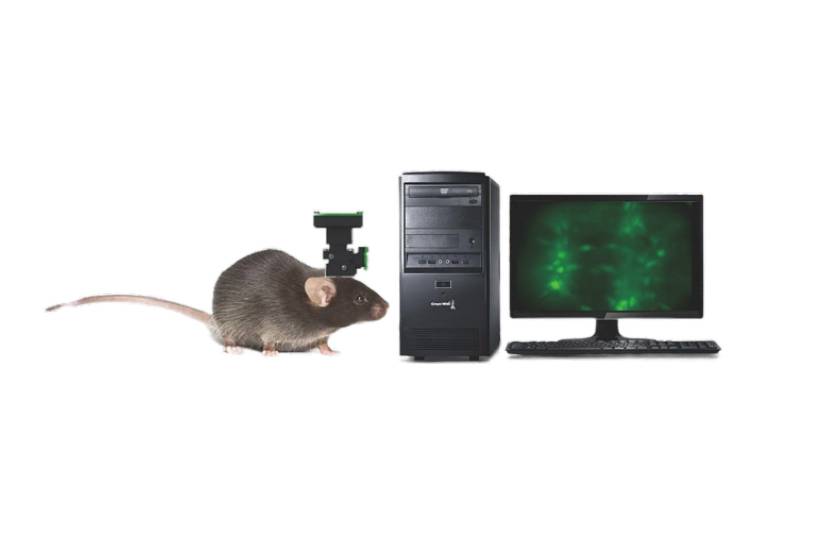
Miniscope imaging system.
This system is used for in vivo calcium imaging in freely moving animals to study how neuronal circuits in different brain regions relate to behaviour. It enables real time observation of brain activation, neural projection activity during complex behaviours, calcium activity in deep brain and cortex, and changes in fluorescent cell migration in deep brain regions.
The platform includes components such as a miniature microscope, fixation plate, GRIN lens, CMOS sensor, image acquisition card, software, and steering gear. It records calcium signals from groups of neurons at single cell resolution, remains small and lightweight so it does not interfere with animal movement, and supports deep brain imaging through implanted GRIN lenses.
Its workflow involves expressing calcium indicators such as GCaMP6 through viral injection, implanting a GRIN lens, and then capturing fluorescence changes caused by increases in intracellular calcium during neural activity. These signals are converted into images by CMOS and analysed with software to link neural activity with behaviour.
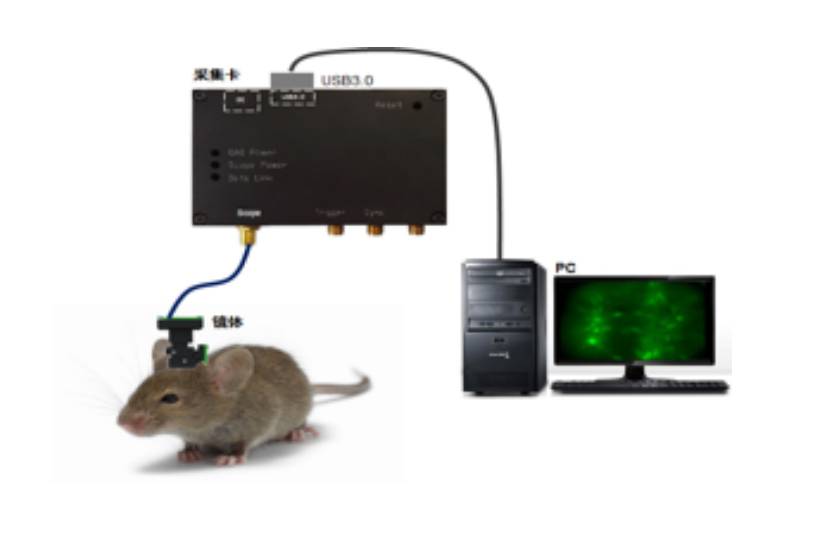
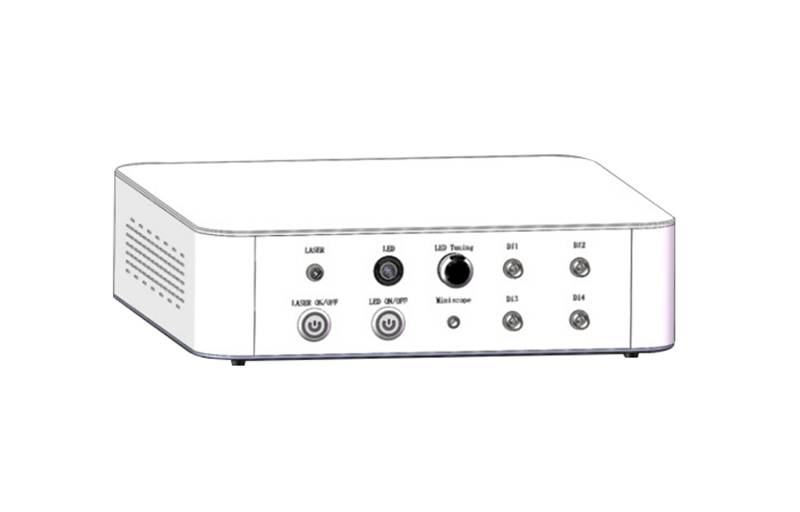
Two-color miniscope imaging system.
The dual color miniscope imaging system uses 470 nm and 561 nm excitation to capture both green and red fluorescence signals from the same site, enabling richer and more reliable in vivo imaging in freely moving animals.
By using a red reference channel, such as mCherry, the system can provide control data to reduce motion related artefacts, including rotational noise, and improve confidence in calcium signal accuracy. The reference channel can also be paired with a red calcium sensitive fluorescent probe, allowing simultaneous recording of two neuronal populations within the same brain region during the same behavioural paradigm.
This gives researchers a powerful way to compare how different neuron types respond in real time and to reveal their distinct encoding patterns under identical experimental conditions.
Consumables And Other Equipment
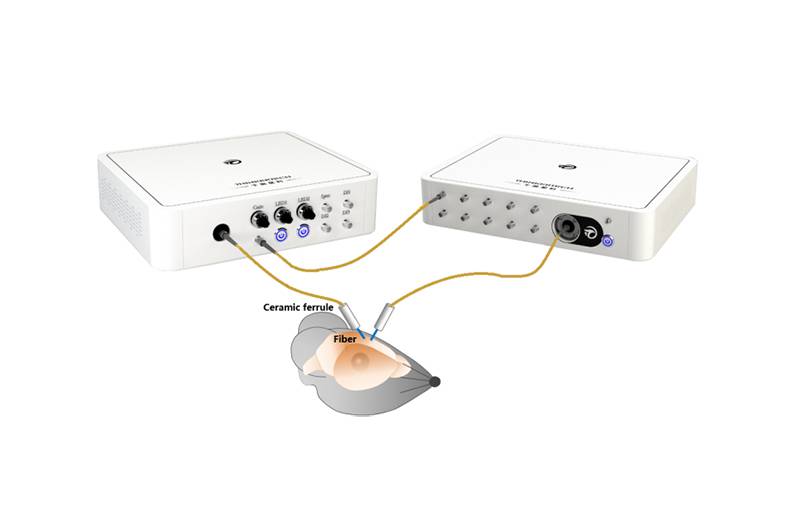
Dynamic blood oxygen fiber detection system.
A system for monitoring deep oxygenation of brain tissue enables continuous monitoring of oxygenation in the deep brain tissue of living animals. Changes in blood oxygen saturation (StO2) are induced and recorded by an integrated micro-LED light source and photo-detector, enabling continuous monitoring with the animal moving freely. This system has important potential for neuroscience research and clinical diagnosis, especially in understanding the coupling between brain metabolism and activity and monitoring diseases associated with brain oxygenation.
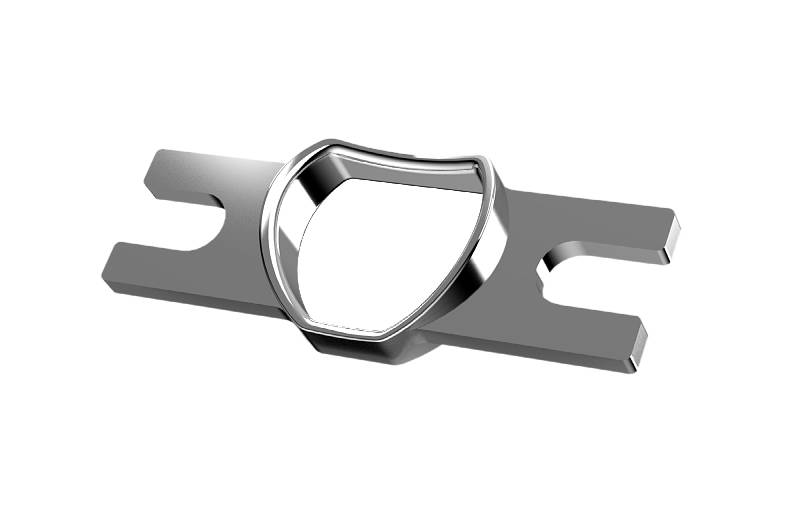
Head fixing plate.
Designed for stability, precision, and ease of use, the Head Fixing Plate provides reliable support for animal positioning during demanding neuroscience and physiological experiments. Built to help researchers achieve consistent alignment and repeatable results, it offers a secure platform for procedures that require accurate head restraint without compromising workflow efficiency.

Ecological sunshine lamp.
Eco Sunlight is an indoor sunlight simulation system, which can simulate the lighting scene of sunlight shining into the room through the skylight, with realistic clear blue sky and bright sunlight lighting effect, so it can bring natural sunlight to people anytime and anywhere, improve the quality of indoor space, and bring people a healthy living environment.
Eco Sunlight Light integrates the latest LED packaging technology, optical technology, intelligent control technology. It can simulate the natural scene of sunlight spectrum and sunlight shining into the room through the skylight. Using micro-optical technology, it simulates scattered sky light and direct sunlight from multiple angles. It restores the most natural way of lighting, providing people with a natural and healthy lighting innovative products.
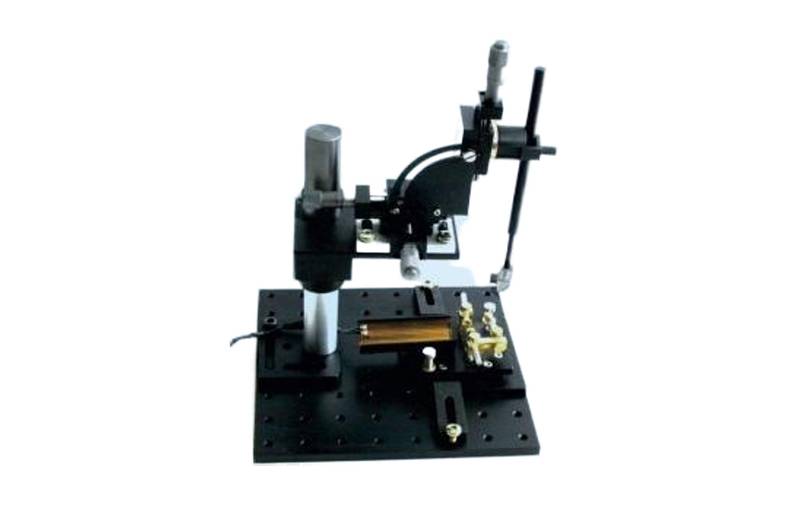
Precision manual four-dimensional micromanipulator.
This micro manipulator is a precision positioning system designed for animal experiments that require highly accurate placement, such as electrophysiology and drug injection. It provides independent four dimensional adjustment, including XYZ movement with 13 mm travel and angle adjustment from 0° to 90°, allowing flexible and stable positioning.
It uses precision linear guides, a fine toothed micrometer head, and spring reset to ensure smooth control, minimal clearance, and high stability. With accuracy down to 5 microns and resolution of 2 microns, it is well suited for delicate experimental work. When paired with a head fixation system, it can also form a complete insulated stereotaxic setup for small animals.
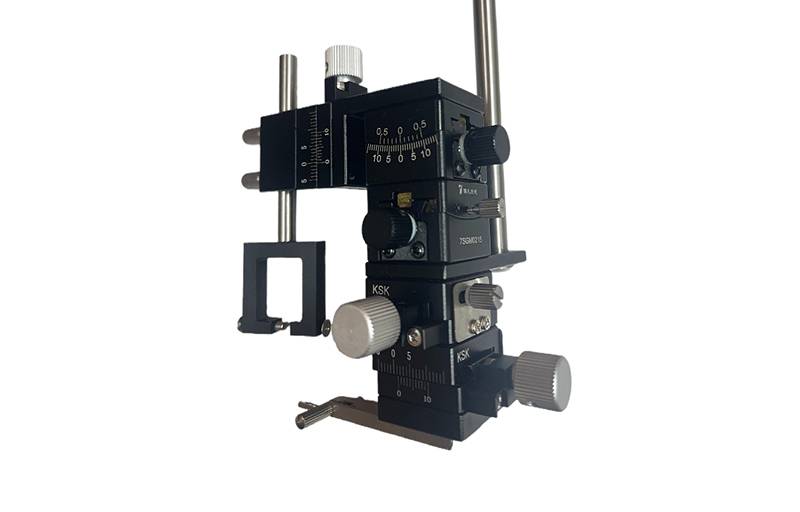
Microlens embedded collimator.
This instrument is a miniscope lens implantation helper designed to improve precision during placement of miniature endoscopes and cameras in brain research. It allows five dimensional adjustment in XYZ and aβ, so the miniscope can be accurately aligned with the upper plane of the endoscope and then lowered together while the target area is monitored in real time.
It supports electric micro manipulation with controllable descent speed and distance, enabling automated implantation of tiny miniscopes. The system can also be upgraded to fully automatic lens embedding, supports a range of microlens gripper sizes, and can be customised for miniature cameras from different manufacturers. Its compact design and universal 8 mm vertical lever make it easy to integrate with locator systems.
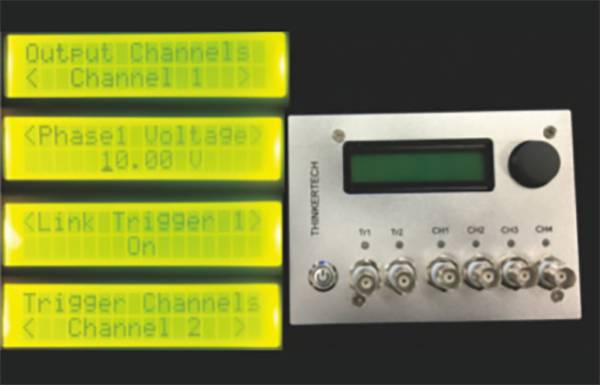
Stimulation modulation generator.
This instrument is a compact signal modulation device that uses digital to analogue conversion to generate square wave signals and provide analogue laser modulation across a range of −10 V to 10 V. It is portable, easy to operate through a software interface, and designed for flexible experimental control.
It includes 2 external trigger input channels and 4 signal output channels, supports multiple modulation modes, and allows users to save and reload parameter settings for quick reuse. With high timing precision of 1/10,000 second, it is well suited for laboratory applications that require accurate and repeatable signal control.
Contact Us
Here at OpCoBe we offer the full range of products sold by ThinkerTech including products not shown on this page.